Watercolor Eucalyptus & Greenery: A Designer’s Real-World Embroidery Review
First Impressions: Soft, Natural, and Versatile
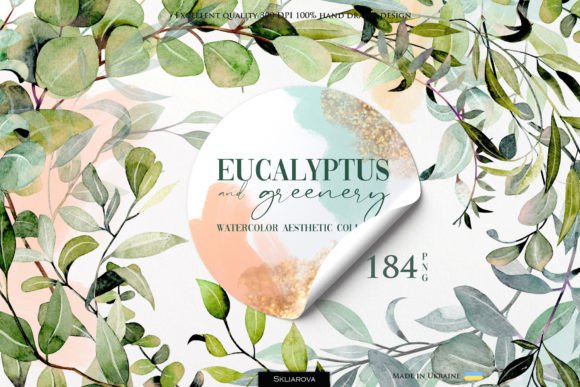
Opening the Watercolor Eucalyptus and Greenery design file, I immediately noticed the gentle, flowing lines and painterly texture. It feels like a breath of fresh air compared to more rigid botanical embroidery designs. The watercolor aesthetic gives it a hand-painted charm that’s both modern and timeless. This isn’t a design that shouts—it whispers elegance, making it perfect for a range of embroidered products from nursery decor to boutique apparel.
Real-Life Project: Custom Embroidered Tote Bags
I recently tested Watercolor Eucalyptus and Greenery on a set of organic cotton tote bags for a local artisan shop. The goal was to create a soft, elevated look that would appeal to eco-conscious shoppers and gift buyers. The design stitched cleanly with minimal thread breaks and maintained its soft edges without fraying or pulling on the fabric. It looked especially beautiful on off-white and light sage-colored totes, where the subtle gradients really stood out.
How It Performs Across Different Embroidery Uses
This design works well across a variety of applications:
- Custom apparel: Perfect for lightweight sweatshirts or linen jackets where a delicate botanical accent is needed.
- Baby items: Ideal for embroidered burp cloths or receiving blankets—its gentle aesthetic matches well with pastel baby gear.
- Patch making: Translates beautifully onto twill or felt, especially when used as part of a nature-themed collection.
- Holiday gifts: A lovely touch on tea towels or pillow covers for spring or Mother’s Day collections.
It also holds up well in digital mockups, especially when used in product previews for Etsy sellers or small shop branding kits.
Where to Use It Carefully
While Watercolor Eucalyptus and Greenery is versatile, it does require thoughtful application. On dark fabrics, the lighter thread colors can get lost unless you add a subtle underlay or choose a contrasting thread palette. I also noticed that on stretchy knits like sweatshirt fleece, the delicate outlines can distort slightly if the stabilizer isn’t properly applied.
For small hoop sizes—like those under 4x4 inches—the finer details in the watercolor texture begin to blur. If you’re working on curved surfaces like baseball caps or tight corners on baby onesies, you may need to simplify or resize the design slightly to maintain clarity.
Visual Appeal and Customer Perception
From a visual standpoint, this design elevates the handmade look. It doesn’t scream “machine embroidery”—instead, it reads as intentional, artistic, and high-quality. That’s a big win for Etsy sellers or boutique brands trying to stand out in a crowded market.
When I used it on a line of personalized linen napkins, customers commented on the “hand-painted” feel, which increased perceived value and giftability. It’s the kind of embroidery that feels personal and bespoke, even when produced at scale.
Stitching Clarity and Technical Considerations
Stitch density is well-balanced—enough to create dimension without overwhelming the fabric. The satin and fill stitches are cleanly executed, and the running stitch outlines are smooth without jagged edges. That said, I recommend always testing the design on scrap fabric first, especially if you’re using textured or loosely woven materials.
Thread color contrast is crucial. I found that using a mix of muted greens and soft teals enhanced the watercolor effect, while sticking to all-neutral threads dulled the design’s vibrancy.
Commercial Use and Licensing
If you’re planning to sell embroidered items using Watercolor Eucalyptus and Greenery, be sure to verify the licensing terms. As with any digital embroidery file, it’s important to know whether it’s approved for commercial use or if you need to purchase an extended license. Many designers overlook this step, which can lead to legal issues down the line.
Design Notes for Embroidery Professionals
Here are a few practical takeaways from using this design in real projects:
- Test on multiple fabric types—especially dark and textured ones.
- Use a lightweight stabilizer for softness and flexibility.
- Resize carefully to maintain the watercolor effect.
- Try a black and white version for minimalist or monochrome collections.
- Check stitch density for durability on frequently washed items.
- Verify file formats and machine compatibility before stitching.
Overall, Watercolor Eucalyptus and Greenery is a strong choice for designers looking to add a touch of organic elegance to their embroidery work. Whether you’re creating a custom embroidered patch, personalizing a holiday embroidery gift, or building a line of small shop products, this design offers both aesthetic appeal and practical versatility.