Watercolor Valentine Clipart: A Designer’s Real-World Review
First Impressions: Soft, Romantic, and Versatile
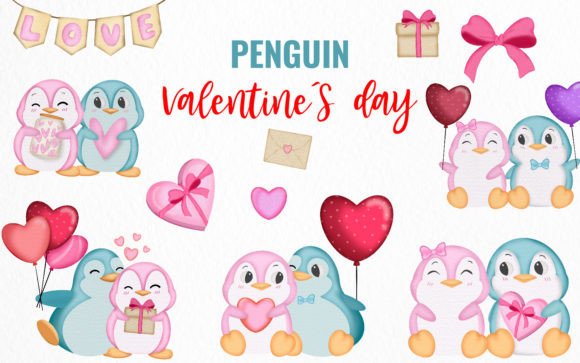
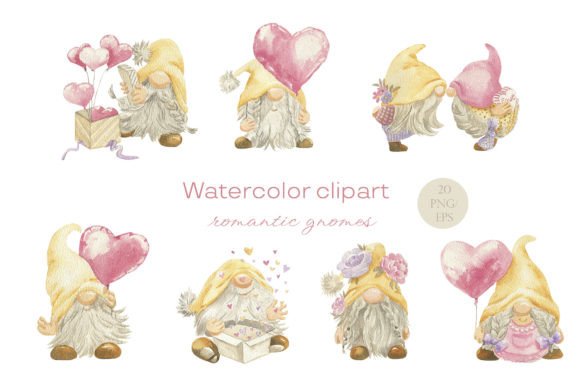
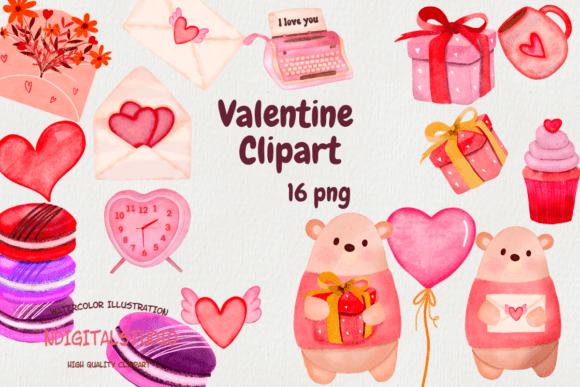
Opening the Watercolor Valentine Clipart, I was immediately struck by its gentle, painterly aesthetic. The design has a loose, flowing composition with soft edges and a watercolor texture that gives it a handmade feel. It’s unmistakably romantic—perfect for Valentine’s Day, weddings, baby items, or boutique apparel. The layout is balanced but not overly structured, which makes it adaptable for different embroidery applications.
Visual Personality: A Mood of Warmth and Whimsy
This isn’t a bold, graphic design. It’s more about subtlety and charm. The color palette feels warm and inviting, and the brushstroke textures add depth without being overwhelming. It’s the kind of design that would appeal to Etsy sellers offering personalized gifts or small shop owners creating cozy, sentimental items. It reads as artistic but accessible—ideal for customers who want something special without looking too “crafty.”
Real-World Use: From Sweatshirts to Baby Onesies
I tested Watercolor Valentine Clipart on a few different fabric types and products. On a soft sweatshirt fabric, the design held up beautifully—its fluid lines translated well into satin and fill stitches. The texture of the fabric didn’t interfere with the delicate details, and the overall look felt premium. On a baby onesie, the design added a soft, non-commercial touch that felt appropriate for the item’s delicate nature.
For a tote bag, I resized the design slightly and used a neutral thread palette. It looked clean and elegant—perfect for a boutique or handmade shop selling custom totes. I also tried it as a patch layout and found it worked well centered on a twill patch with a simple zigzag border.
Where It Shines: Commercial Appeal Without the Overdesign
What stands out about Watercolor Valentine Clipart is how well it bridges personal and commercial use. It’s not so specific that it limits your product line, but it still has a strong enough identity to be memorable. For Etsy sellers or craft entrepreneurs, this is a big plus—it’s easy to style, photograph, and market.
It also works well in digital product previews. When I dropped it into a printable mockup for a personalized pillow cover, it gave the design a hand-painted authenticity that shoppers respond to. That kind of visual appeal can boost buyer engagement and perceived value.
Caution Zones: Fabric and Fit Matter
While the design is versatile, there are definitely situations where you’ll need to tread carefully. On stretchy knit fabrics, I noticed slight distortion in some of the finer lines—especially around the edges of floral motifs. I’d recommend using a lightweight stabilizer and testing on a scrap before stitching into a final product.
Dark fabrics also require attention. The watercolor effect loses some of its subtlety against black or navy backgrounds, so I’d suggest using contrasting thread colors or even outlining key elements for clarity. On curved surfaces like caps, the design’s central layout helps maintain balance, but corners or tight curves might lose some detail.
Stitching Clarity: A Test of Detail and Density
Stitch-wise, Watercolor Valentine Clipart uses a mix of satin, fill, and running stitches effectively. The design doesn’t rely too heavily on dense fills, which is a plus for breathability and fabric flexibility. I noticed that some of the lighter brushstroke areas might get lost on textured fabrics like towels or heavy canvas, so you may want to adjust stitch density or thread color contrast in those cases.
Small details—like heart outlines or soft petals—held up well in testing, but I’d still advise checking these under magnification before embroidering on a finished item. If you’re using this in a commercial embroidery project, always test the file in a few different hoop sizes and on multiple fabric types.
Practical Designer Notes: What to Check Before Stitching
- Test on scrap fabric first—especially if working with stretchy or textured materials.
- Review thread color contrast to ensure soft details don’t get lost on dark or busy backgrounds.
- Check stitch density in watercolor-style areas to prevent gaps or thin coverage.
- Confirm hoop size compatibility with your machine before resizing or layering with other elements.
- Inspect small details like outlines and inner textures—some may need reinforcement.
- Try a black and white mockup to see how the design translates without color.
- Compare light and dark fabric backgrounds to gauge visibility and appeal.
- Use proper stabilizer to prevent distortion, especially on knits or loosely woven fabrics.
- Check licensing if you're using this in a digital embroidery file or selling finished products.
Final Thoughts: A Thoughtful Addition to Your Design Kit
Watercolor Valentine Clipart isn’t just another holiday design—it’s a flexible, emotionally resonant illustration that can elevate your embroidery projects from generic to heartfelt. Whether you're creating custom apparel, personalized baby items, or boutique merchandise, this design brings a touch of artistry without sacrificing practicality.
As a designer, I appreciate that it doesn’t overcomplicate the embroidery process. It’s clean, scalable, and expressive—qualities that matter when you're balancing creativity with production efficiency. Just remember to test thoroughly, especially if you’re adapting it for tricky fabrics or small hoop sizes. With a little care, this design can become a go-to asset in your embroidery toolkit.