Watercolor Circle Stain: A Designer’s Honest Review for Real Embroidery Projects
First Impressions: A Soft, Organic Design with a Casual Vibe
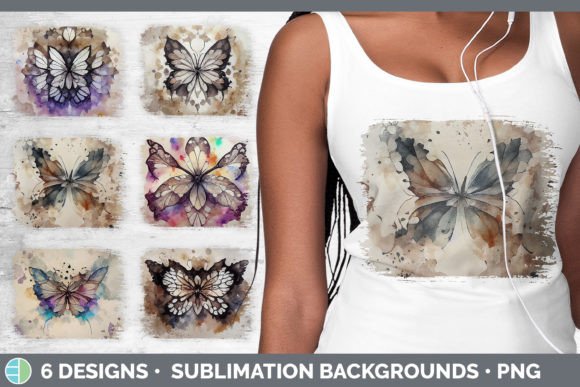
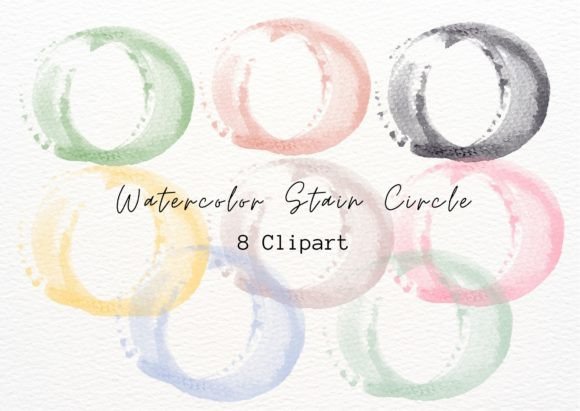
Opening up the Watercolor Circle Stain embroidery file, I was immediately drawn to its soft, painterly aesthetic. It doesn’t scream for attention like a bold monogram or a detailed portrait. Instead, it whispers with a gentle, watercolor-inspired texture that mimics the natural spread of pigment on paper. The circular layout feels organic and balanced, making it a great choice for projects that need a subtle, artistic touch.
From a design standpoint, this piece feels like it belongs in a minimalist or nature-themed collection. It’s not overly detailed, but it still carries enough visual interest to stand out on a finished product. Whether you're making a custom tote bag, a personalized baby onesie, or a boutique-style sweatshirt, this design brings a sense of softness and approachability.
Real-World Use: Where Watercolor Circle Stain Shines
I tested the design on a few different items to see how it would translate in real embroidery work. Starting with a cotton tote bag, the design stitched out cleanly with minimal thread breaks and no distortion. The stitch density felt just right—dense enough to give body to the watercolor effect, but not so heavy that it pulled the fabric tight or wrinkled the tote.
Next, I tried it on a lightweight sweatshirt. The looped texture of the fabric added a nice depth to the embroidery, almost like a layered art piece. On a baby onesie, it held up beautifully, especially since the softness of the design complements the delicate nature of baby items. I could easily see this being used in boutique-style baby apparel or personalized nursery decor.
For holiday or wedding gifts, this design works well as a central motif or background accent. I stitched it onto a linen pillow cover with a monogram layered over it, and the result felt elegant but not overdone. It also worked surprisingly well as a background for a custom embroidered patch—especially when paired with a satin-stitched border.
Where to Use It Carefully: Fabric and Fit Matter
While the Watercolor Circle Stain is versatile, it’s not a one-size-fits-all solution. On stretchy knits, the watercolor texture can get a bit distorted if the stabilizer isn’t applied correctly. I noticed some slight blurring on a cotton jersey fabric, so I’d recommend using a firm tear-away or cut-away stabilizer in those cases.
Dark fabrics can also mute the subtlety of the design. I tested it on black cotton and found that the contrast wasn’t strong enough to make the watercolor effect pop. If you’re using it on darker backgrounds, consider choosing thread colors that offer more contrast or adding a small outline stitch around the edge for definition.
Small hoop sizes are another consideration. The circular shape is generous, and depending on your machine’s hoop capacity, you may need to resize it. Be careful not to compress the design too much, or you’ll lose the soft, flowing texture that makes it unique.
Impact on Product Appeal and Customer Perception
From a business perspective, this design adds a touch of artistry without being too niche. For Etsy sellers and small shop owners, it’s a great way to elevate a product’s handmade presentation. Customers tend to respond well to designs that feel intentional but not overly complex, and this one fits that mold perfectly.
When used on commercial embroidery projects like boutique apparel or embroidered gifts, it gives a sense of professionalism and care. It’s the kind of design that doesn’t shout “custom,” but quietly says, “This was made with thought.” That kind of subtlety builds brand consistency and trust over time.
For digital product sellers offering printable mockups or embroidery design bundles, this design is a strong candidate for inclusion. Its neutral, adaptable style makes it easy to showcase across multiple product types—especially when paired with mockups of tote bags, sweatshirts, and tea towels.
Designer Notes: Practical Tips for Best Results
- Always test the design on scrap fabric before stitching it onto your final product, especially if you’re using textured or stretchy materials.
- Review the stitch density to ensure it’s appropriate for your fabric type—too dense can cause puckering, too light can make the design look sparse.
- Try the design in black and white mockups to see how it looks on both light and dark backgrounds.
- If you’re using it for commercial embroidery, double-check licensing terms to make sure it’s approved for resale or use in finished products.
- Use a quality stabilizer to prevent distortion, especially on soft or stretchy garments.
- Consider adding a light satin stitch outline if you’re using it on dark fabrics to enhance visibility.
Final Thoughts: A Thoughtful Addition to Your Embroidery Toolkit
The Watercolor Circle Stain isn’t a flashy design, but that’s exactly what makes it special. It’s the kind of embroidery file that works quietly in the background, adding depth and character without overwhelming the product. Whether you’re a hobbyist making personalized gifts or a small business owner creating custom apparel, this design offers a versatile, elegant solution.
As a freebie, it’s a solid value—especially when used thoughtfully in the right context. Just remember to test it first, consider your fabric choices, and always keep the end user in mind. Done right, this design can help elevate your finished products from simple stitches to meaningful keepsakes.