Watercolor Background Pen Wraps Epoxy: A Fresh Illustration for Branding & Marketing
First Impressions: Soft, Artistic, and Approachable
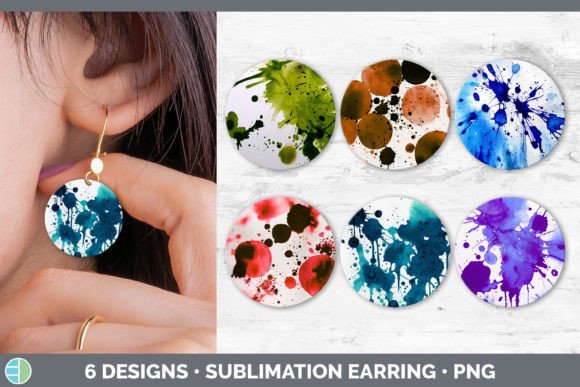
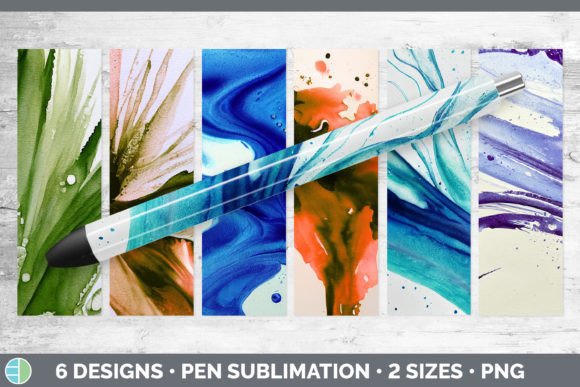
As a brand designer reviewing Watercolor Background Pen Wraps Epoxy, the first thing that stands out is its soft, organic texture. The watercolor base gives it a hand-painted, artisanal feel that instantly communicates creativity and warmth. This graphic design asset feels ideal for brands that want to convey a sense of authenticity, craftsmanship, or lifestyle appeal. It’s not overly formal, which makes it perfect for small business branding, handmade products, or content creators who want to stand out with a personal touch.
Setting the Mood: Casual Yet Polished Branding
The watercolor background adds a subtle complexity without overwhelming the design. It’s a great example of how illustrations can elevate a visual identity by adding depth and emotion. This design asset leans toward a casual, lifestyle-oriented tone—ideal for brands in the wellness, education, stationery, or creative industries. It’s not quite luxury, but it’s far from amateur. Think of it as a bridge between handmade charm and professional polish.
Real-World Marketing Use: Launching a Seasonal Product Line
Let’s say a small business is launching a new line of artisan pens and wants to promote it with a cohesive digital campaign. Using Watercolor Background Pen Wraps Epoxy across social media posts, Pinterest pins, and email banners would help create a unified visual language. The watercolor textures can be used as background elements in Instagram stories, product mockups, or even packaging inserts to reinforce brand recognition and visual consistency.
Brand Identity and Logo Design: A Supporting Role
This digital product works best as a supporting visual element rather than a primary logo component. Its soft edges and flowing patterns make it better suited as a background accent or decorative overlay. When paired with a clean, modern logo, it adds a touch of personality without overshadowing the main brand mark. It also pairs well with script fonts and handwritten typography, making it a great fit for creative brands that want to feel personal yet professional.
Packaging and Product Label Design: Subtle Brand Enhancement
In packaging design, this printable design could serve as a decorative band on product boxes or as part of a sticker label. It brings a tactile, artisanal quality that complements eco-friendly or handmade products. Just be careful not to overuse it—since the watercolor effect can be delicate, it’s best used in areas where it enhances rather than competes with the main product visuals.
Social Media Graphics and Digital Ads: Attention-Grabbing Without Clutter
For social media managers and content creators, this design asset offers a fresh way to elevate Canva templates or Instagram carousel designs. It works well in Pinterest graphics, where aesthetic appeal is key. The organic textures can help break up the monotony of flat design while still maintaining a clean visual hierarchy. In Facebook or digital ads, it can be used as a background to add warmth without distracting from the core message.
Editorial Design and Web Layouts: Adding Visual Interest
In blog graphics or website headers, Watercolor Background Pen Wraps Epoxy can be used to highlight featured content or add a soft separator between sections. It’s also great for lead magnets or media kits where you want to maintain a professional look while keeping the design approachable. However, avoid using it in areas with dense text or low contrast, as it can make content harder to read.
Where This Design Asset Shines: Practical Marketing Applications
- Hero graphics for landing pages or campaign headers
- Branded templates for Canva or social media kits
- Packaging accents for lifestyle or handmade products
- Content bundles for bloggers or online coaches
- Promotional banners for seasonal or product launches
- Editorial layouts for newsletters or digital magazines
Where to Use It Carefully: Limitations to Watch For
While this creative design has a lot of charm, it’s not a one-size-fits-all solution. It should be used with caution in:
- Formal corporate branding where minimalism is key
- Dense information layouts like infographics or reports
- Small mobile graphics where texture may become unclear
- Low-contrast backgrounds that reduce readability
- Overly minimal brands that rely on clean, sharp lines
- Text-heavy ads where background shouldn’t compete with copy
Practical Designer Notes: Testing and Implementation
Before committing to this design bundle, here are a few steps to take:
- Test it with your brand color palette to ensure it complements your existing visuals
- Check black and white usage—does it still look good in grayscale?
- Place it inside real campaign mockups to see how it performs in context
- Preview it on mobile screens to ensure legibility and clarity
- Test readability in small sizes, especially if used in social media or thumbnails
- Compare it against competitor visuals to ensure it stands out in your niche
- Check font pairings—how does it look with serif, sans serif, script, or display fonts?
- Review spacing and balance to avoid cluttered layouts
- Confirm commercial licensing before using it in paid campaigns or client work
Final Thoughts: A Versatile Visual Asset for Creative Brands
Watercolor Background Pen Wraps Epoxy is a thoughtful illustration that offers a blend of artistic flair and practical usability. Whether you're a content creator building a Canva template library, a small business owner launching a new product, or a digital seller preparing marketing visuals, this creative marketplace asset has the potential to enhance your brand’s visual storytelling. It supports emotional connection, visual consistency, and memorable campaign design—key elements in building audience trust and engagement.